
Free 60 minute Masterclass
For Parents of ADHD & Autistic Children
Free 60 minute Masterclass
Add For Parents of ADHD & Autistic Children
Free 60 minute Masterclass
How to Create a Calmer Home That Helps Your
Child Regulate, Sleep Better & Thrive
How to Create a Calmer Home That Helps Your
Child Regulate, Sleep Better & Thrive
How to Create a Calmer Home That Helps Your
Child Regulate, Sleep Better & Thrive
Discover the often-overlooked role your home plays in your child's overwhelm, and how combining sensory-friendly spaces with the right support and routines can help make mornings, mealtimes and bedtimes feel easier
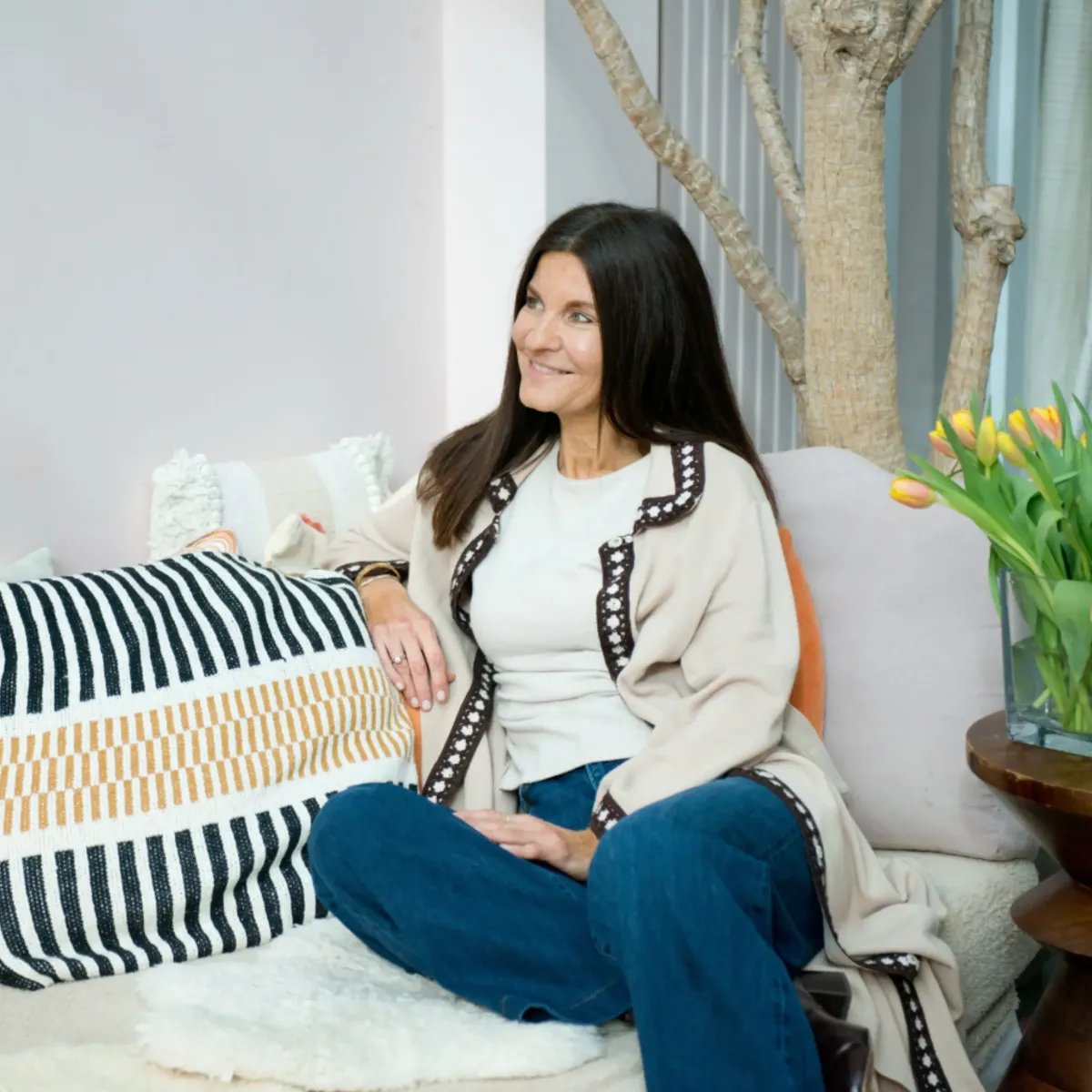
Discover the often-overlooked role your home plays in your child's overwhelm, and how combining sensory-friendly spaces with the right support and routines can help make mornings, mealtimes and bedtimes feel easier
Discover the often-overlooked role your home plays in your child's overwhelm, and how combining sensory-friendly spaces with the right support and routines can help make mornings, mealtimes and bedtimes feel easier
Does This Feel Familiar?
“I've done the research. I've tried the strategies. So why am I still struggling to work out
what MY child actually needs?”
Your child can go from seemingly fine to completely overwhelmed and the meltdowns or big emotions seem to come from nowhere.
Everyday moments become battles; mornings, homework, mealtimes or bedtime.
You're constantly second-guessing yourself, wondering if you're doing enough, or somehow making things worse.
Maybe you're not getting it wrong.
Maybe there's something you haven't been shown to look at yet.
Does This Feel Familiar?
“I've done the research. I've tried the strategies. So why am I still struggling to work out
what MY child actually needs?”
Your child can go from seemingly fine to completely overwhelmed and the meltdowns or big emotions seem to come from nowhere.
Everyday moments become battles; mornings, homework, mealtimes or bedtime.
You're constantly second-guessing yourself, wondering if you're doing enough, or somehow making things worse.
Maybe you're not getting it wrong.
Maybe there's something you haven't been shown to look at yet.
You Might Be Noticing Things Like...

School mornings can quickly become stressful

Busy or noisy places overwhelm them

Transitions can trigger big reactions

Homework or everyday tasks become a battle

Food, clothes or textures cause strong reactions

They struggle to switch off, settle or sleep
If several of these feel familiar, there may be more going on beneath the behaviour
than you realise.
You Might Be Noticing Things Like...
School mornings can quickly become stressful
Busy or noisy places overwhelm them
Transitions can trigger big reactions
Homework or everyday tasks become a battle
Food, clothes or textures cause strong reactions
They struggle to switch off, settle or sleep
If several of these feel familiar, there may be more going on beneath the behaviour
than you realise.
You Might Be Noticing Things Like...
School mornings can quickly become stressful
Busy or noisy places overwhelm them
Transitions can trigger big reactions
Homework or everyday tasks become a battle
Food, clothes or textures cause strong reactions
They struggle to switch off, settle or sleep
If several of these feel familiar, there may be more going on beneath the behaviour than you realise.
Could Your Home Be Adding
to the Overwhelm?
The lighting. The noise. The clutter. The layout. Where your child sits, sleeps or tries to do homework affects their ability to regulate.
These everyday surroundings could be adding to their sensory load without you even realising it.
Your home isn't just where the overwhelm happens.
With the right changes, it can become part of the solution.
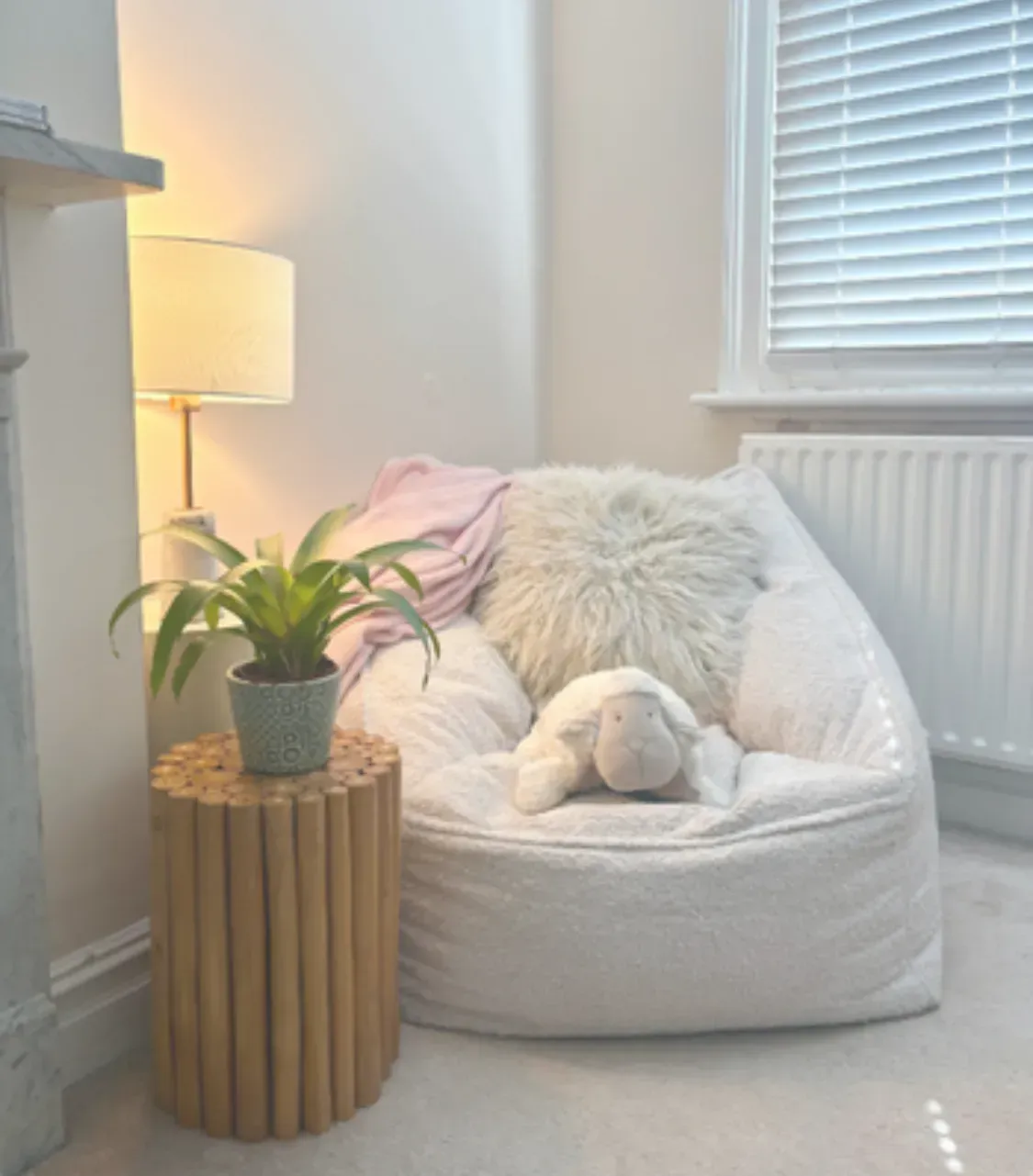
Could Your Home Be Adding
to the Overwhelm?
The lighting. The noise. The clutter. The layout. Where your child sits, sleeps or tries to do homework affects their ability to regulate.
These everyday surroundings could be adding to their sensory load without you even realising it.
Your home isn't just where the overwhelm happens.
With the right changes, it can become part of the solution.
Could Your Home Be Adding
to the Overwhelm?
The lighting. The noise. The clutter. The layout. Where your child sits, sleeps or tries to do homework affects their ability to regulate.
These everyday surroundings could be adding to their sensory load without you even realising it.
Your home isn't just where the overwhelm happens.
With the right changes, it can become part of the solution.
The Missing Piece We Often
Overlook
Your child's nervous system is constantly processing information from the environment around them.
These elements affect how their nervous system responds-and impact their
EMOTIONAL REGULATION · FOCUS · REST · SLEEP
Sensory-focused design uses the environment to support your child's nervous system.
You don't need to redecorate your home. Once you know what to look for, you can make targeted changes that help your child feel calmer, regulate more easily, focus better and sleep better.
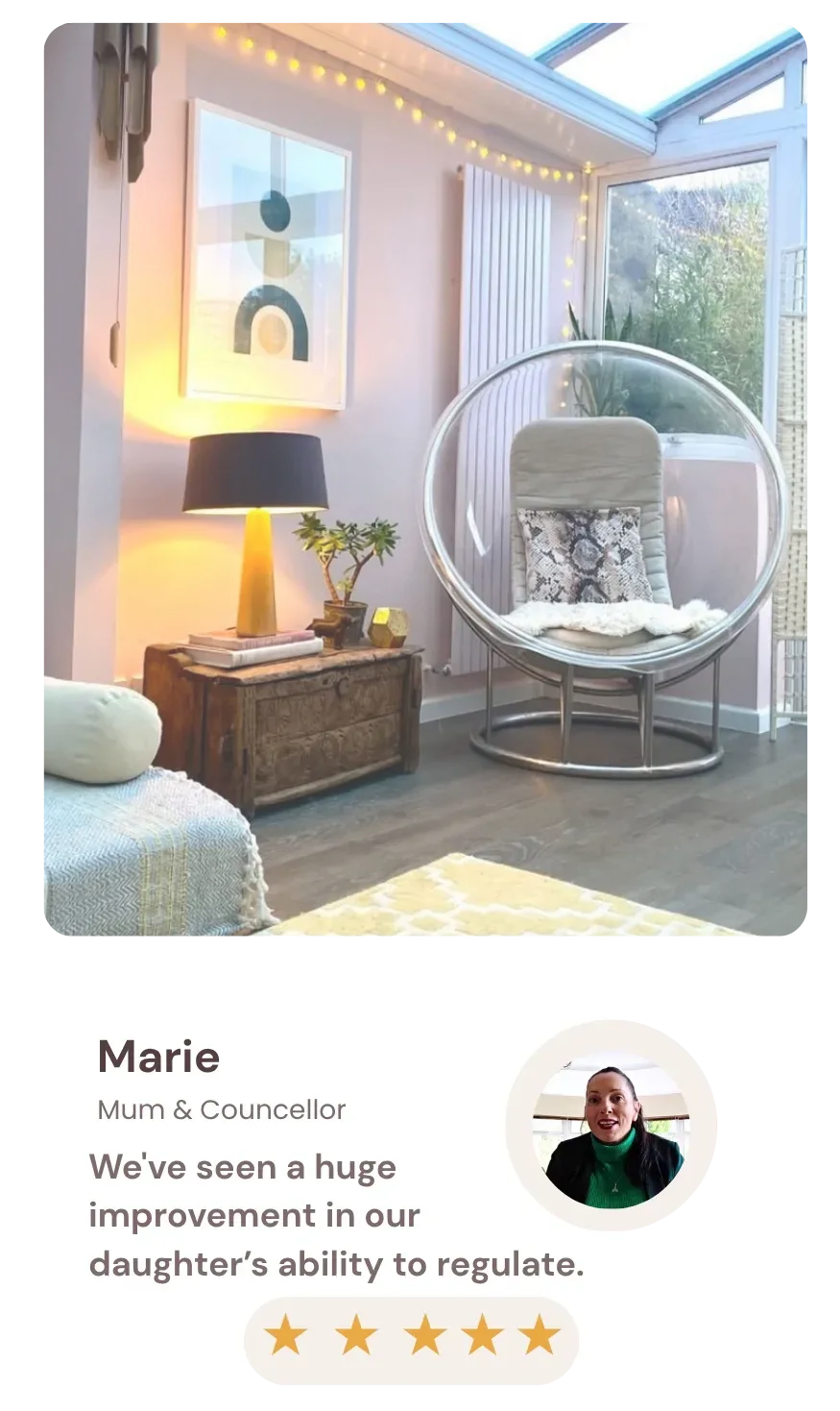
The Missing Piece We Often
Overlook
Your child's nervous system is constantly processing information from the environment around them.
These elements affect how their nervous system responds-and impact their
EMOTIONAL REGULATION · FOCUS · REST · SLEEP
Sensory-focused design uses the environment to support your child's nervous system.
You don't need to redecorate your home. Once you know what to look for, you can make targeted changes that help your child feel calmer, regulate more easily, focus better and sleep better.
The Missing Piece We Often
Overlook
Your child's nervous system is constantly processing information from the environment around them.
These elements affect how their nervous system responds-and impact their
EMOTIONAL REGULATION · FOCUS · REST · SLEEP
Sensory-focused design uses the environment to support your child's nervous system.
You don't need to redecorate your home. Once you know what to look for, you can make targeted changes that help your child feel calmer, regulate more easily, focus better and sleep better.
Hi, I'm Natasha
I'm an interior designer with 20+ years' experience designing homes, with specialist training in sensory-focused design and sensory integration.
I've experienced first-hand how overwhelming everyday life can be when a child's environment isn't working with their nervous system in our own family, and what can change when it begins to.
Today, I bring together my design expertise, specialist training and lived experience to look beyond behaviour at how a child's sensory needs, home environment and daily routines all work together..
And often, it's the smallest changes that can make home feel calmer and easier for the whole family.
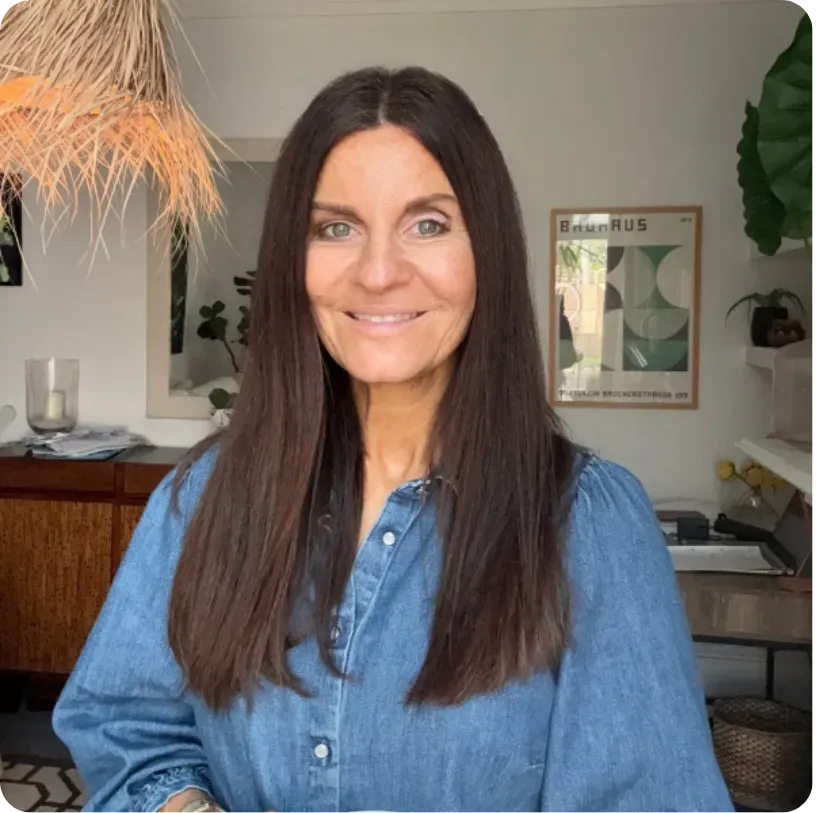
Hi, I'm Natasha
I'm an interior designer with 20+ years' experience designing homes, with specialist training in sensory-focused design and sensory integration.
I've experienced first-hand how overwhelming everyday life can be when a child's environment isn't working with their nervous system in our own family, and what can change when it begins to.
Today, I bring together my design expertise, specialist training and lived experience to look beyond behaviour at how a child's sensory needs, home environment and daily routines all work together..
And often, it's the smallest changes that can make home feel calmer and easier for the whole family.
Hi, I'm Natasha
I'm an interior designer with 20+ years' experience designing homes, with specialist training in sensory-focused design and sensory integration.
I've experienced first-hand how overwhelming everyday life can be when a child's environment isn't working with their nervous system in our own family, and what can change when it begins to.
Today, I bring together my design expertise, specialist training and lived experience to look beyond behaviour at how a child's sensory needs, home environment and daily routines all work together..
And often, it's the smallest changes that can make home feel calmer and easier for the whole family.
Leave This Masterclass Knowing What
To Look For And Where To Start
Leave This Masterclass Knowing What
To Look For And Where To Start
Leave This Masterclass Knowing What
To Look For And Where To Start
In just 60 mins, you'll discover what could be contributing to your child's overwhelm, and simple, practical changes you can start trying at home.

“Why did that reaction come out of nowhere?”
“Do I push, accommodate or step back?”
Trying different strategies without knowing what will actually help
Feeling like you're constantly reacting to the next difficult moment


Understand what may be happening beneath your child's reactions
Spot sensory triggers- from bedroom lighting to after-school overwhelm
Leave with practical changes you can start trying at home straight away
Feel more confident about what to try-and where to start
And you don’t need to redesign your whole home to do it.
In just 60 mins, you'll discover what could be contributing to your child's overwhelm, and simple, practical changes you can start trying at home.
“Why did that reaction come out of nowhere?”
“Do I push, accommodate or step back?”
Trying different strategies without knowing what will actually help
Feeling like you're constantly reacting to the next difficult moment
Understand what may be happening beneath your child's reactions
Spot sensory triggers- from bedroom lighting to after-school overwhelm
Leave with practical changes you can start trying at home straight away
Feel more confident about what to try-and where to start
And you don’t need to redesign your whole home to do it.

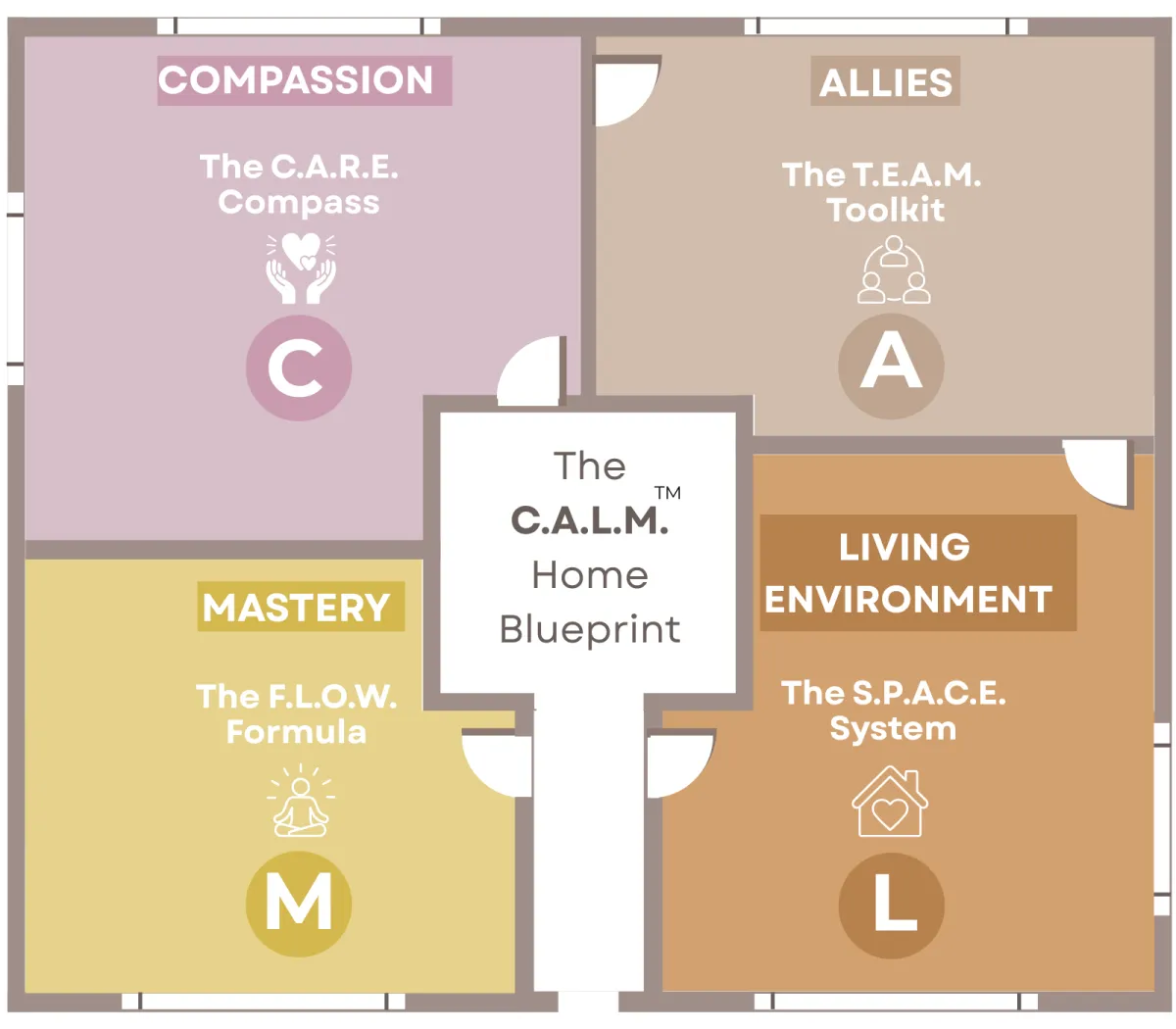
The 4 Pieces of a Calmer Home
The C.A.L.M. Home Blueprint™ brings together four important pieces: you, the people around you, your child's environment and the everyday rhythms of family life.
Because creating a calmer home isn't about fixing your child, it's about helping everyday life work better for your whole family.
This Masterclass Is For You If…
You’re parenting an ADHD or autistic child who can become easily overwhelmed at home
You’ve tried different strategies, but still aren't sure what actually helps
You want practical guidance to create a calmer home- without having to redesign everything
No formal diagnosis is needed.
If your child experiences sensory or emotional overwhelm at home, this masterclass is for you too.
The 4 Pieces of a Calmer Home
The C.A.L.M. Home Blueprint™ brings together four important pieces: you, the people around you, your child's environment and the everyday rhythms of family life.
Because creating a calmer home isn't about fixing your child, it's about helping everyday life work better for your whole family.
This Masterclass Is For You If…
You’re parenting an ADHD or autistic child who can become easily overwhelmed at home
You’ve tried different strategies, but still aren't sure what actually helps
You want practical guidance to create a calmer home- without having to redesign everything
No formal diagnosis is needed.
If your child experiences sensory or emotional overwhelm at home, this masterclass is for you too.
Ready For Home
To Feel Calmer?
You don't need to have all the answers.
You just need a different place to start.
FREE 60-MINUTE LIVE MASTERCLASS
Ready For Home
To Feel Calmer?
You don't need to have all the answers.
You just need a different place to start.
FREE 60-MINUTE LIVE MASTERCLASS
Ready For Home
To Feel Calmer?
You don't need to have all the answers.
You just need a different place to start.
FREE 60-MINUTE LIVE MASTERCLASS
Join Me Live
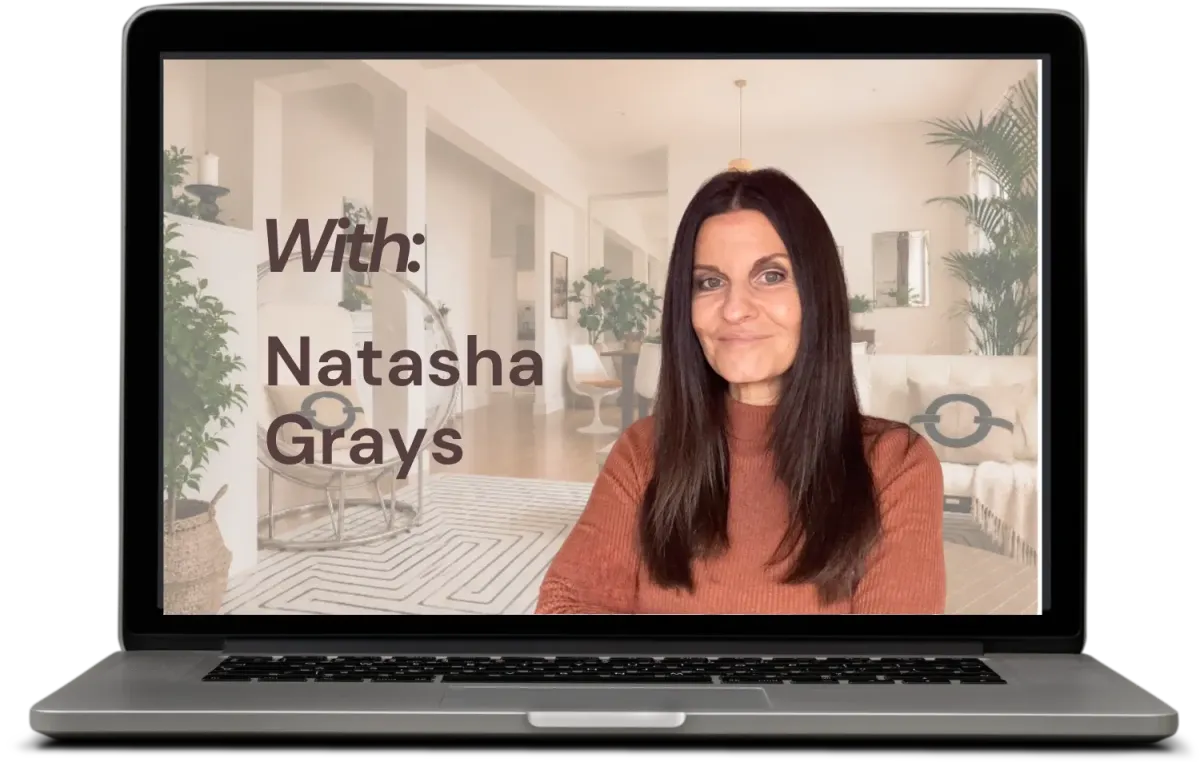
Choose The Session That Works Best For You
Both sessions cover the same masterclass, you only need to attend one.
Tuesday, Oct 27 - 12:00 PM
OR
Wednesday, Oct 28 - 7:30 PM
Join Me Live
Choose The Session That Works Best For You
Both sessions cover the same masterclass, you only need to attend one.
Tuesday, Oct 27 - 12:00 PM
OR
Wednesday, Oct 28 - 7:30 PM
Join Me Live
Choose The Session That Works Best For You
Both sessions cover the same masterclass, you only need to attend one.
Tuesday, Oct 27 - 12:00 PM
OR
Wednesday, Oct 28 - 7:30 PM
Take the first step towards a calmer home... with practical changes that support your child and make everyday family life feel easier.
Take the first step towards a calmer home... with practical changes that support your child and make everyday family life feel easier.
Imagine How Your Home Could Feel ?

Calmer mornings, with less rushing, resistance and overwhelm.
Easier family mealtimes, with more connection and less tension.
Calmer bedtimes & better rest, helping your child wind down and settle more easily.
And imagine how YOU could feel…
Less walking on eggshells. Less putting out fires. More confidence in knowing what your child needs, and more space to just enjoy being a family again.
Because this isn't just about creating a calmer home....
It's about getting more of your family life back.
Imagine How Your Home Could Feel ?
Calmer mornings, with less rushing, resistance and overwhelm.
Easier family mealtimes, with more connection and less tension.
Calmer bedtimes & better rest, helping your child wind down and settle more easily.
And imagine how YOU could feel…
Less walking on eggshells. Less putting out fires. More confidence in knowing what your child needs, and more space to just enjoy being a family again.
Because this isn't just about creating a calmer home....
It's about getting more of your family life back.
You Don't Have to Take My Word for It...
 Elizabeth
Mum & Occupational Therapist
Not only is my ADHD son’s space more
organised, but his approach to studying
has improved as well. For anyone
considering working with Natasha, I can't
recommend her enough.
Elizabeth
Mum & Occupational Therapist
Not only is my ADHD son’s space more
organised, but his approach to studying
has improved as well. For anyone
considering working with Natasha, I can't
recommend her enough.
 Alex
International Liaison Office
Natasha transformed my
apartment into a home that feels
calm, comfortable, and perfectly
suited to my family’s needs.
Her passion, creativity, and
thoughtful approach to lighting,
textures, and ambiance made all
the difference
Alex
International Liaison Office
Natasha transformed my
apartment into a home that feels
calm, comfortable, and perfectly
suited to my family’s needs.
Her passion, creativity, and
thoughtful approach to lighting,
textures, and ambiance made all
the difference
 Beth
Mum & Property Investor
I am incredibly grateful for
Natasha’s support in helping me
create sensory-friendly spaces.
Beth
Mum & Property Investor
I am incredibly grateful for
Natasha’s support in helping me
create sensory-friendly spaces.
My son feel less agitated, settles to sleep easier and routines are smoother!
 Kate
Mum & Nurse
Our home is calmer and more
supportive. Our child feels more at
ease, with better focus, relaxation and
daily routines — and it's helped all of us.
Kate
Mum & Nurse
Our home is calmer and more
supportive. Our child feels more at
ease, with better focus, relaxation and
daily routines — and it's helped all of us.
Since implementing Natasha's suggestions, she feels far calmer and genuinely enjoys spending time there.
 Helen
Mum & Landscape Gardener
We’ve seen a huge improvement in
our 10 yr old son’s emotions–he’s
brighter, calmer, more at ease and
now joins us more at the dinner
table.
Helen
Mum & Landscape Gardener
We’ve seen a huge improvement in
our 10 yr old son’s emotions–he’s
brighter, calmer, more at ease and
now joins us more at the dinner
table.
You Don't Have to Take My Word for It...
Elizabeth
Mum & Occupational Therapist
Not only is my ADHD son’s space more
organised, but his approach to studying
has improved as well. For anyone
considering working with Natasha, I can't
recommend her enough.
Alex
International Liaison Office
Natasha transformed my
apartment into a home that feels
calm, comfortable, and perfectly
suited to my family’s needs.
Her passion, creativity, and
thoughtful approach to lighting,
textures, and ambiance made all
the difference
Beth
Mum & Property Investor
I am incredibly grateful for
Natasha’s support in helping me
create sensory-friendly spaces.
My son feel less agitated, settles to sleep easier and routines are smoother!
Kate
Mum & Nurse
Our home is calmer and more
supportive. Our child feels more at
ease, with better focus, relaxation and
daily routines — and it's helped all of us.
Since implementing Natasha's suggestions, she feels far calmer and genuinely enjoys spending time there.
Helen
Mum & Landscape Gardener
We’ve seen a huge improvement in
our 10 yr old son’s emotions–he’s
brighter, calmer, more at ease and
now joins us more at the dinner
table.
What Makes This Different?

SCIENCE-INFORMED
Understand how your child's surroundings can affect their nervous system, so you know why certain changes may help

EXPERTISE + EXPERIENCE
20+ years in interior design, specialist sensory training and experience helping families create calmer homes

TAILORED
Thoughtful changes based on your child's individual needs, from simple adjustments to more considered design choices
What Makes This Different?
SCIENCE-INFORMED
Understand how your child's surroundings can affect their nervous system, so you know why certain changes may help
EXPERTISE + EXPERIENCE
20+ years in interior design, specialist sensory training and experience helping families create calmer homes
TAILORED
Thoughtful changes based on your child's individual needs, from simple adjustments to more considered design choices
What Makes This Different?
SCIENCE-INFORMED
Understand how your child's surroundings can affect their nervous system, so you know why certain changes may help
EXPERTISE + EXPERIENCE
20+ years in interior design, specialist sensory training and experience helping families create calmer homes
TAILORED
Thoughtful changes based on your child's individual needs, from simple adjustments to more considered design choices
You Might Be Wondering...
1. How quickly might we notice a difference?
Every child is different, so there's no set timeline. But you can start making changes straight away and noticing what helps.
2. My child already has support from school or therapists. Will this still be useful?
Yes. This complements professional support by looking at another important part of your child's day, their home environment.
3. What if I've already tried everything?
Then this masterclass may be especially useful. We'll look at things parents are rarely shown to consider, including what your child's home environment may be adding to their overwhelm.
4. I'm worried I'll leave with another list of things to do.
You won't need to change everything. You'll leave knowing what to notice, what may be getting in the way and where to start, so you can focus on what matters most for your family.
You Might Be Wondering...
1. How quickly might we notice a difference?
Every child is different, so there's no set timeline. But you can start making changes straight away and noticing what helps.
2. My child already has support from school or therapists. Will this still be useful?
Yes. This complements professional support by looking at another important part of your child's day, their home environment.
3. What if I've already tried everything?
Then this masterclass may be especially useful. We'll look at things parents are rarely shown to consider, including what your child's home environment may be adding to their overwhelm.
4. I'm worried I'll leave with another list of things to do.
You won't need to change everything. You'll leave knowing what to notice, what may be getting in the way and where to start, so you can focus on what matters most for your family.
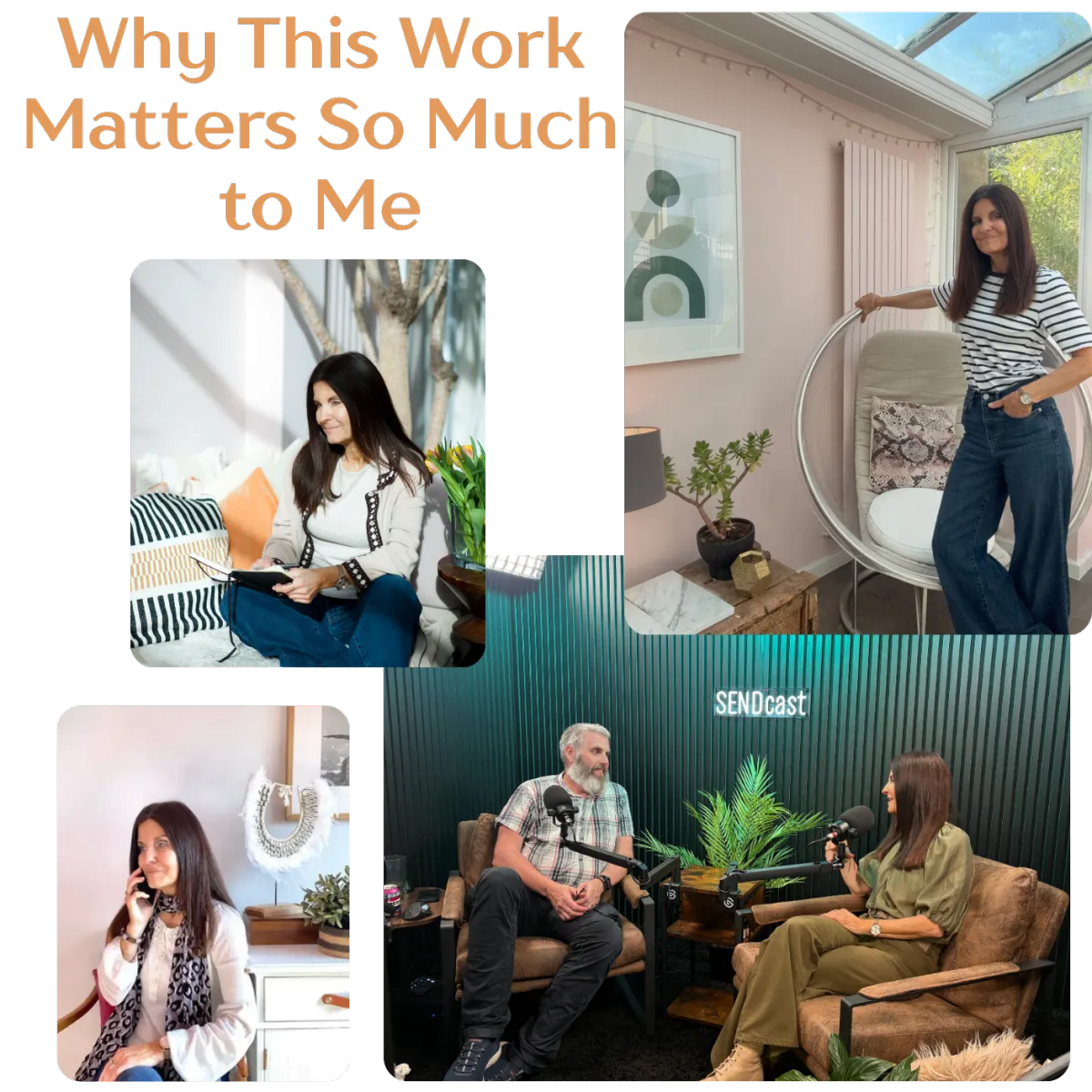
For more than 20 years, I've designed homes and seen how deeply our surroundings can affect us.
But when my own neurodivergent daughter struggled with overwhelm, meltdowns, difficulty focusing and poor sleep, I realised there was another side to home I hadn't understood.
Like so many parents, I tried the routines, researched endlessly and sought advice, but she was still struggling.
Then I began learning about sensory processing and sensory-focused design.
I hadn’t realised that her nervous system was constantly processing the environment and contributing to sensory and emotional overload.
So we started making changes to our home, and gradually, we began to see changes in her too.
She became calmer, had fewer meltdowns, and was able to focus and sleep better.
And this had a ripple effect on all of us. Our family felt lighter... like we could finally breathe again.
For more than 20 years, I've designed homes and seen how deeply our surroundings can affect us.
But when my own neurodivergent daughter struggled with overwhelm, meltdowns, difficulty focusing and poor sleep, I realised there was another side to home I hadn't understood.
Like so many parents, I tried the routines, researched endlessly and sought advice, but she was still struggling.
Then I began learning about sensory processing and sensory-focused design.
I hadn’t realised that her nervous system was constantly processing the environment and contributing to sensory and emotional overload.
So we started making changes to our home, and gradually, we began to see changes in her too.
She became calmer, had fewer meltdowns, and was able to focus and sleep better.
And this had a ripple effect on all of us. Our family felt lighter... like we could finally breathe again.
For more than 20 years, I've designed homes and seen how deeply our surroundings can affect us.
But when my own neurodivergent daughter struggled with overwhelm, meltdowns, difficulty focusing and poor sleep, I realised there was another side to home I hadn't understood.
Like so many parents, I tried the routines, researched endlessly and sought advice, but she was still struggling.
Then I began learning about sensory processing and sensory-focused design.
I hadn’t realised that her nervous system was constantly processing the environment and contributing to sensory and emotional overload.
So we started making changes to our home, and gradually, we began to see changes in her too.
She became calmer, had fewer meltdowns, and was able to focus and sleep better.
And this had a ripple effect on all of us. Our family felt lighter... like we could finally breathe again.
And That’s Why I Created
The C.A.L.M. Home Blueprint™
I wanted to take everything I'd learned... sensory design, sensory integration training, my own lived experience, research and my work with families, and turn it into something parents could actually use in everyday life.
The support I wish we’d had all those years ago.
Because a calmer home isn't created through décor alone. It's about bringing together understanding, support, the home environment and everyday rhythms that work with your child's nervous system.
You don't need to become an expert. You just need to know what to notice, what may be getting in the way, and where to start.
And That’s Why I Created
The C.A.L.M. Home Blueprint™
I wanted to take everything I'd learned... sensory design, sensory integration training, my own lived experience, research and my work with families, and turn it into something parents could actually use in everyday life.
The support I wish we’d had all those years ago.
Because a calmer home isn't created through décor alone. It's about bringing together understanding, support, the home environment and everyday rhythms that work with your child's nervous system.
You don't need to become an expert. You just need to know what to notice, what may be getting in the way, and where to start.
Ready To Create A Calmer Home?
Inside this free 60-minute masterclass, you'll discover:
WHY your child's reactions may be telling you more than you realise
WHAT could be adding to their overwhelm, including things in your home you may never have realised were affecting them
HOW to begin making practical changes that help your child feel calm, and improve their ability to regulate, focus, relax and sleep better
So you can stop second-guessing what you're doing wrong, and start feeling more confident about what your child actually needs.
Save My Free Seat
You're One Step Away From A Calmer Home
Choose your preferred session and save your free seat below.
Welcome to The 60 minute
C.A.L.M. Home Masterclass
Save Your Free Seat Now
Confirmation, Zoom link & calendar invite sent straight to your inbox
Save My Free Seat
You're One Step Away From A Calmer Home
Choose your preferred session and save your free seat below.
Welcome to The 60 minute
C.A.L.M. Home Masterclass
Save Your Free Seat Now
Confirmation, Zoom link & calendar invite sent straight to your inbox

© 2026 The Sensory Haven. All Rights Reserved.